Part 3: Who Might be a Vulnerable Child? A Broader Understanding of Child Exploitation

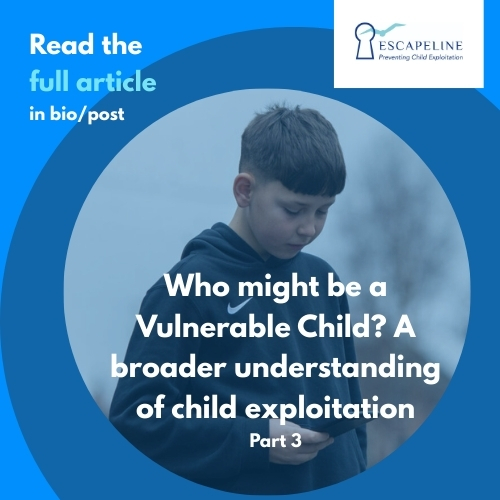
Swipe the Carousel
Who Is Vulnerable? Challenging the Stereotypes
By Lisa, Escapeline
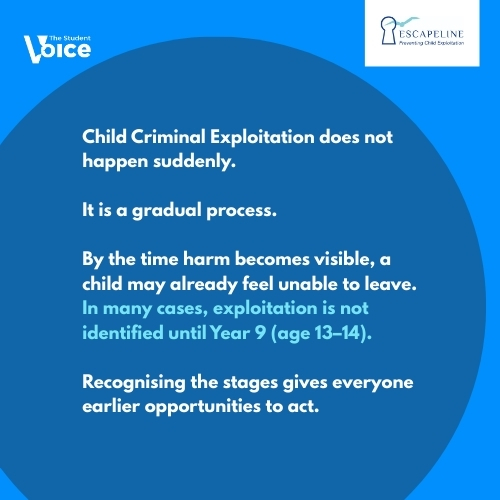
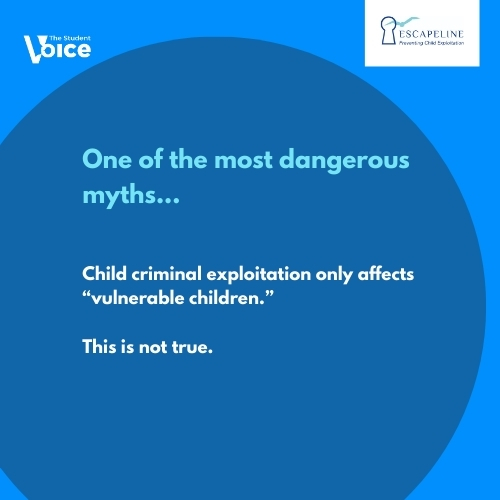
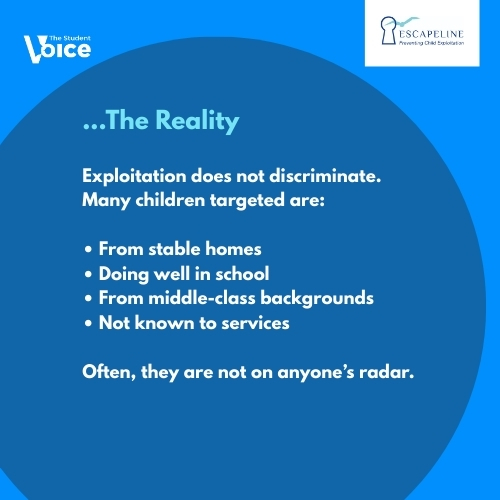
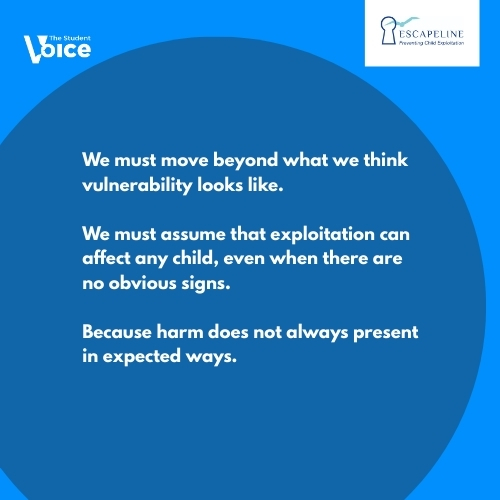
One of the most dangerous myths about child criminal exploitation is that it only affects “vulnerable children.” In reality, exploiters do not discriminate. Many of the children most at risk are those who are not on anyone’s radar. I have worked with children from:
- Middle-class families
- Stable homes
- Strong academic backgrounds
- No prior involvement with services
Beyond the stereotype
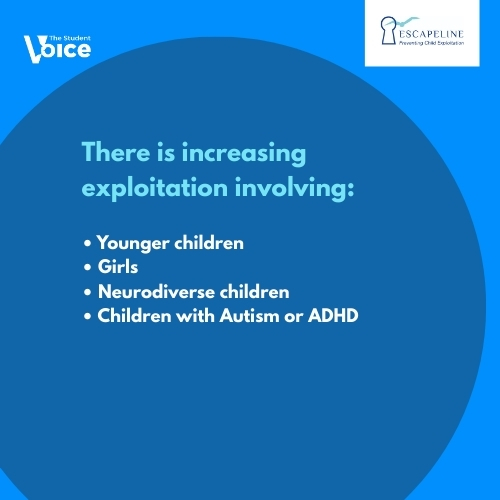
We are seeing increasing exploitation involving:
- Younger children
- Girls
- Neurodiverse children, including those with Autism or ADHD
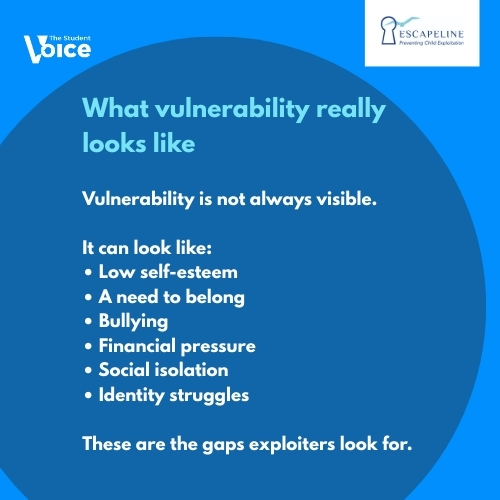
Some children are targeted because they are perceived as easier to manipulate. Others are targeted because they are seen as less likely to attract police attention. Vulnerability is not always visible. It may look like:
- Low self-esteem
- A desire to fit in
- Bullying
- Financial pressure at home
- Social isolation
- Struggles with identity
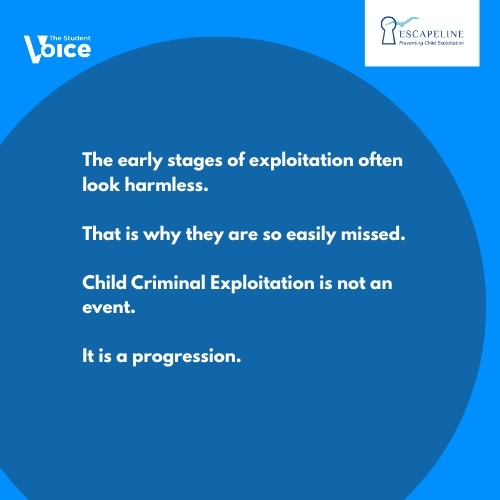
Those who exploit are skilled at identifying these gaps.
The influence of social media and culture
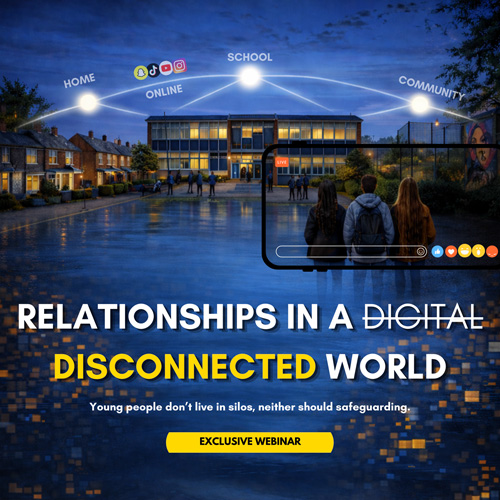
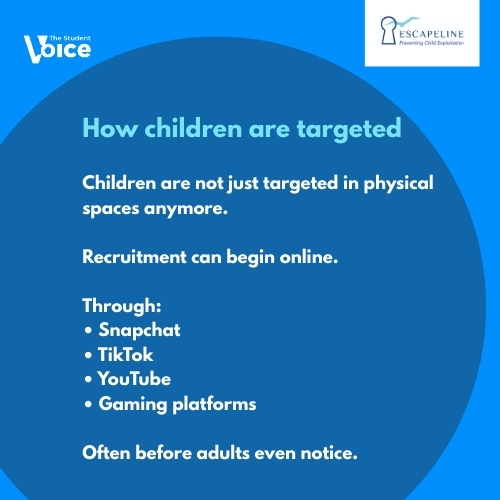
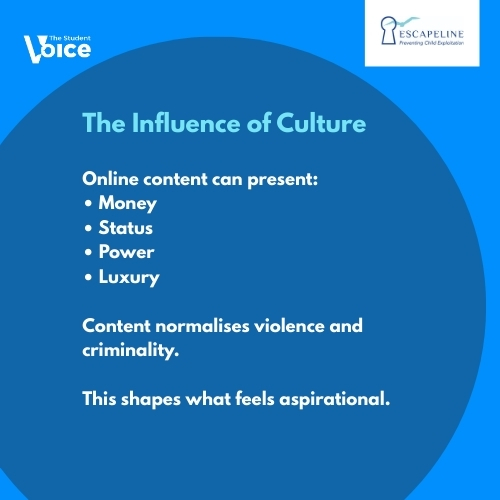
Recruitment is no longer confined to physical spaces. Platforms such as Snapchat, TikTok and YouTube can create a constant stream of curated lifestyles, money, status, luxury and power. Drill music and certain online content may glamorise violence and criminality, normalising behaviours that once felt extreme. Children are navigating this landscape daily.
Gangs and exploiters adapt quickly. They understand trends. They understand language. They understand what feels aspirational. Recruitment can begin online long before it becomes visible in the community.
The children we are not looking at
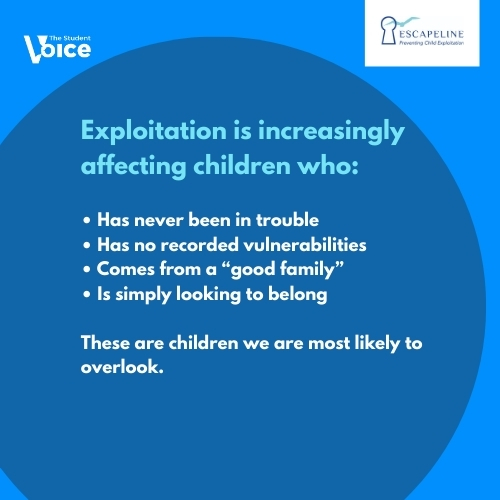
If our safeguarding systems focus only on children already known to services, we risk missing a significant proportion of those being targeted. Exploitation often affects the child who:
- Has never been in trouble before
- Has no adverse childhood experiences recorded
- Comes from a “good family”
- Is simply looking for belonging
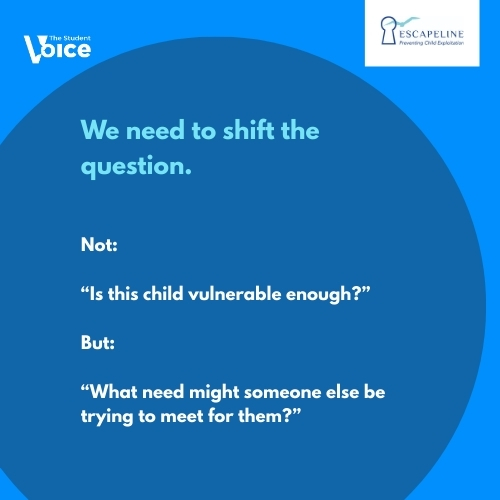
The question we must ask is not, “Is this child vulnerable enough?” It is, “What need might someone else be trying to meet for them?”
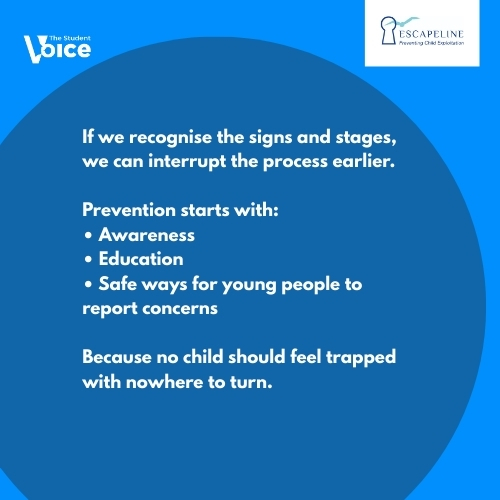
In our final blog, we explore what actually works, why language matters when recording concerns, and how schools, families and communities can intervene earlier and more effectively.
Author Bio – Lisa, Escapeline
Lisa works on the frontline with Escapeline, a charity dedicated to raising awareness of Child Criminal Exploitation and supporting children, families, and professionals to recognise and respond to the risks of exploitation. Through school workshops, parent sessions, and professional training, Lisa delivers preventative education focused on early intervention, contextual safeguarding, and empowering children to make safe choices. Her work supports communities across the UK to better understand the evolving nature of exploitation and how to disrupt it before harm escalates.